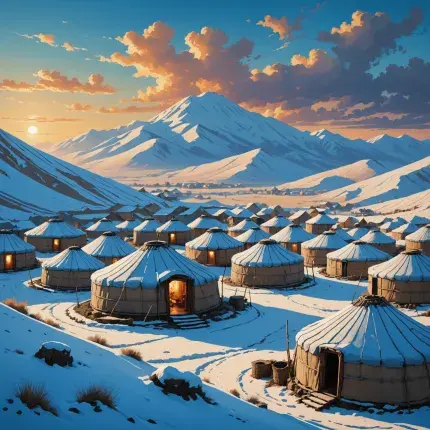

Embracing the Heartbeat of Yurt Settlements
Imagine stepping into a world where time flows differently, where the rhythm of life is intimately tied to the land and the sky, and where centuries-old customs still guide daily routines. This is the world of yurt settlements, those iconic circular homes that have sheltered nomadic peoples across Central Asia for generations. Yet, beyond their unique physical structure, yurts symbolize a whole way of life deeply intertwined with cultural heritage, customs, and folklore. But in today’s rapidly modernizing world, how do these communities hold on to their traditions without fading into obscurity? And what can the rest of us learn from their enduring practices?
Yurt settlements are more than just dwellings; they are living embodiments of resilience, adaptability, and cultural identity. For many, the yurt represents freedom—the freedom to move with the seasons, the freedom to live in harmony with nature. However, as globalization accelerates and urban life beckons, the preservation of this traditional lifestyle faces unprecedented challenges. The allure of modern conveniences and digital entertainment sometimes overshadows the deep wisdom embedded in nomadic customs. Still, the pulse of these communities beats strong, fueled by the stories passed down through generations and the vibrant folklore that colors their festivals and everyday interactions.
Interestingly, in a world increasingly driven by fast-paced digital experiences, there’s a curious parallel between the timeless appeal of yurt settlements and modern digital leisure. For example, enthusiasts of the aviator game website aviator game website find themselves drawn to the thrill of strategy and chance, much like the nomadic tribes who strategically navigate their environment and social customs to sustain their way of life. Both worlds, though seemingly distant, remind us about the importance of balance—between risk and safety, tradition and innovation.
Daily Life and Customs: The Soul of the Peoples
What does a typical day look like in a yurt settlement? Far from the hustle of city streets, life here is a delicate choreography of age-old customs. From the moment the first light filters through the felt roof, the community springs into action: tending to livestock, preparing meals, weaving textiles, and engaging in storytelling sessions that keep their folklore alive. These traditions, often viewed as quaint by outsiders, are in fact vital threads in the fabric of their cultural heritage.
Customs dictate not only how people live but also how they relate to each other and the natural world. For instance, hospitality is sacrosanct—guests are welcomed with warmth and shared meals, reflecting a deep-rooted value of communal support. Rituals connected to the seasons, births, weddings, and funerals reinforce social bonds and pass down collective wisdom. Folklore stories, brimming with mythical creatures and heroic ancestors, serve as both entertainment and moral compass.
- Seasonal migrations following pasture availability
- Traditional crafts like felt-making and embroidery
- Oral poetry recitations and epic storytelling
- Music and dance tied to ceremonial events
Yet, these customs are not static relics; they evolve as peoples interact with neighboring cultures and adapt to new realities. Preserving such a dynamic heritage requires conscious effort and pride in identity, especially among the younger generation.
Folklore: The Living Memory of a People
Folklore is the heartbeat of yurt-dwelling peoples, resonating with tales of valor, wisdom, and the mysteries of nature. These stories do more than entertain—they preserve history, encode moral lessons, and foster a sense of belonging. Consider the legend of the brave eagle hunter or the cunning trickster who outwits foes, narratives that echo across the steppes and mountains, reinforcing cultural values.
As modern media and technology encroach upon traditional storytelling, there’s a growing urgency to document and celebrate these narratives. Festivals, music recordings, and even digital archives are becoming vital tools to keep folklore vibrant. This blend of old and new ensures that the cultural heritage of yurt settlements remains accessible and meaningful for future generations.
In exploring the culture of traditions—through the lens of yurt settlements, daily life, customs, peoples, and folklore—we uncover a tapestry rich in meaning and resilience. It invites us to reflect on our own roots, the stories we cherish, and the ways we can honor and sustain cultural diversity in an ever-changing world.

The Culture of Traditions: Yurt Settlements, Daily Life, Cultural Heritage, Customs, Peoples, and Folklore
What Are Yurt Settlements and Why Are They Important in Cultural Heritage?
Yurt settlements are traditional nomadic or semi-nomadic communities typically found across Central Asia, including countries such as Mongolia, Kazakhstan, Kyrgyzstan, and parts of Siberia. These settlements consist of multiple yurts—portable, circular tents made from wooden frames and felt coverings—that serve as homes for families and communities.
The significance of yurt settlements extends beyond their physical structures; they embody a unique way of life that is intricately tied to the environment, mobility, and communal living. As part of the cultural heritage of the peoples inhabiting these regions, yurt settlements reflect centuries-old customs and social organization adapted to the challenges of nomadic pastoralism.
Understanding yurt settlements offers valuable insight into how traditional societies balance sustainability, mobility, and social cohesion. For instance, the design of the yurt itself is highly efficient—offering insulation against harsh climates, quick assembly and disassembly, and a central hearth symbolizing family unity.
How Does the Way of Life in Yurt Settlements Shape Daily Activities and Social Customs?
The way of life in yurt settlements revolves around pastoralism, seasonal migration, and strong family bonds. Daily life is structured around the needs of livestock—such as sheep, goats, horses, and camels—whose grazing patterns dictate migration routes and timelines.
Key aspects of daily life include:
- Animal husbandry: Herding and caring for animals is central, requiring knowledge passed through generations.
- Food preparation: Traditional dishes often use dairy products like fermented mare’s milk (kumis), dried meats, and bread baked in clay ovens.
- Craftsmanship: Creating textiles, felt coverings, and decorative items for yurts involves community participation and carries symbolic meanings tied to identity.
- Social customs: Hospitality is a deeply ingrained custom, with guests welcomed into yurts and offered food and tea.
These daily practices are not only practical but also reinforce social roles, family hierarchies, and collective memory, preserving the cultural heritage of the peoples living in these environments.
What Are Some Key Customs and Folklore That Define the Peoples of Yurt Settlements?
The customs and folklore of the peoples who inhabit yurt settlements are rich, diverse, and often interwoven with their nomadic lifestyle and spiritual beliefs. These include:
- Rituals and ceremonies: Events such as the Naadam Festival in Mongolia celebrate traditional sports like wrestling, horse racing, and archery, reflecting historical warrior culture.
- Oral storytelling: Folklore serves as a repository of history, moral lessons, and cosmology. Stories often feature heroic figures, nature spirits, and animals symbolizing virtues like bravery and wisdom.
- Music and dance: Traditional instruments such as the morin khuur (horsehead fiddle) accompany songs that recount epic tales and express the emotional landscape of nomadic life.
- Spiritual beliefs: Many communities blend shamanistic practices with ancestor worship, emphasizing harmony with nature and respect for the land.
These customs and folklore form the intangible cultural heritage that sustains group identity and connects present generations with their ancestors.
How Is the Cultural Heritage of Yurt Peoples Preserved and Promoted Today?
Efforts to preserve the cultural heritage surrounding yurt settlements are multifaceted and increasingly important in the face of modernization and globalization. Key initiatives include:
- Cultural festivals and tourism: Many regions host annual festivals showcasing traditional crafts, music, and yurt architecture, attracting visitors and generating economic support.
- Educational programs: Schools and cultural centers teach younger generations about traditional customs, folklore, and the significance of yurts.
- UNESCO recognition: Some yurt-related traditions and nomadic practices have been inscribed on the UNESCO Intangible Cultural Heritage list, raising global awareness.
- Craft and design innovation: Artisans blend traditional motifs with contemporary design, ensuring that cultural expressions remain relevant and economically viable.
These preservation methods not only honor past traditions but also enable communities to adapt their way of life in a rapidly changing world.
Why Understanding the Culture of Traditions in Yurt Settlements Matters Globally
Exploring the culture of traditions in yurt settlements offers valuable lessons on human resilience, environmental adaptation, and the importance of preserving diverse ways of life. The customs, folklore, and social practices of these peoples illuminate alternative models of community, sustainability, and identity.
In a globalized era, where homogenization threatens cultural diversity, recognizing and respecting the cultural heritage of yurt settlements fosters intercultural dialogue and enriches the global tapestry of human experience.